This website is no longer active and only exists for reference. Visit bbyo.org to view our current website.


On January 27, 2026, the world marked 81 years since the liberation of Auschwitz-Birkenau on International Holocaust Remembrance Day. This date is more than a moment of reflection for me—it is deeply personal.
Last summer, I had the life-changing experience of touring Auschwitz-Birkenau. Walking through the camp, standing on the same ground where millions of Jews were stripped of their humanity, forced me to confront history not as something distant, but as something lived. That experience reshaped how I understand memory, responsibility, and the urgency of remembrance.
One truth became clear to me: Holocaust stories must be kept alive.
As time moves forward, fewer survivors remain to share their testimonies firsthand. The responsibility to carry their voices now falls to us. For me, one of the most powerful ways to do that is through books. Holocaust literature—whether survivor memoirs or historical fiction—preserves experiences the Nazis tried to erase and ensures that future generations can still learn, feel, and remember.
Below are ten books that have deeply influenced my understanding of the Holocaust and strengthened my commitment to education and remembrance.
Night By Elie Wiesel
Night is one of the most raw and authentic accounts of the Holocaust. Elie Wiesel’s memoir recounts his survival through multiple concentration camps and offers an unfiltered look at life inside them. Beyond documenting history, Night captures what resilience looks like when hope feels impossible. Wiesel’s voice is essential reading for anyone seeking to understand the Holocaust through the eyes of a survivor.
The Diary of Anne Frank
Anne Frank’s diary offers an intimate and human perspective on life in hiding during the Holocaust. Written by a young Jewish girl, her words reflect fear, courage, and emotional growth. Her story reminds readers that behind every statistic was a real person with dreams, thoughts, and a voice that deserved to be heard.
Hiding Edith by Kathy Kacer
Often overlooked, Hiding Edith is a powerful story about a young girl surviving the Holocaust in hiding. It provides insight into the experiences of Jewish children during World War II and is an impactful yet accessible introduction to Holocaust literature.
Maus by Art Spiegelman
Maus stands out for its unique graphic novel format. Told through conversations between Spiegelman and his father, the book explores both Holocaust survival and the lasting impact of trauma on future generations. Its originality and emotional depth make it a powerful and memorable work.
The Girl Who Survived Auschwitz by Ava Schloss
This memoir is told from two perspectives: Eva Schloss, who survived Auschwitz-Birkenau as a teenager, and her daughter. The dual viewpoint highlights not only survival but also how trauma echoes through generations. It is a story of resilience, memory, and hope.
Broken Strings by Eric Walters
Set in post-9/11 New Jersey, Broken Strings connects modern life with Holocaust remembrance. Through a school production of Fiddler on the Roof and a grandfather’s story, the novel emphasizes why survivor testimonies remain relevant today. Though written for younger audiences, its message is deeply impactful.
We Were the Lucky Ones by Georgia Hunter
Although still on my reading list, We Were the Lucky Ones tells the story of a Jewish family’s survival and reunion after the Holocaust. Centered on love, resilience, and hope, it highlights how survival itself was an act of resistance.
The Librarian of Auschwitz by Antonio Iturbe
This novel follows Dita Kraus, a young girl tasked with protecting a secret library inside Auschwitz-Birkenau’s family camp. In a place designed to destroy knowledge and identity, books become symbols of resistance and hope. The story powerfully illustrates the importance of learning, even in the darkest circumstances.
Sarah's Key by Tatiana de Rosnay
Told through parallel timelines, Sarah’s Key explores the Vel d’Hiv roundup in 1942 Paris and its impact decades later. By intertwining past and present, the novel shows how history continues to shape our world and why confronting difficult truths matters.
The Book Thief by Markus Zusak
Set in Nazi Germany, The Book Thief follows a young girl living with a foster family who secretly hides a Jewish man. Through themes of friendship, loyalty, and the power of words, the novel highlights how humanity can persist even in times of cruelty.
These books—whether memoirs or works of historical fiction—are not just stories. They are acts of remembrance. As survivor voices grow fewer, literature becomes one of the strongest tools we have to preserve their legacy.
As philosopher George Santayana warned, “Those who cannot remember the past are condemned to repeat it.” Remembering is not passive. It is an active responsibility. By reading, sharing, and teaching these stories, we ensure that the lessons of the Holocaust endure—and that history is never allowed to repeat itself.
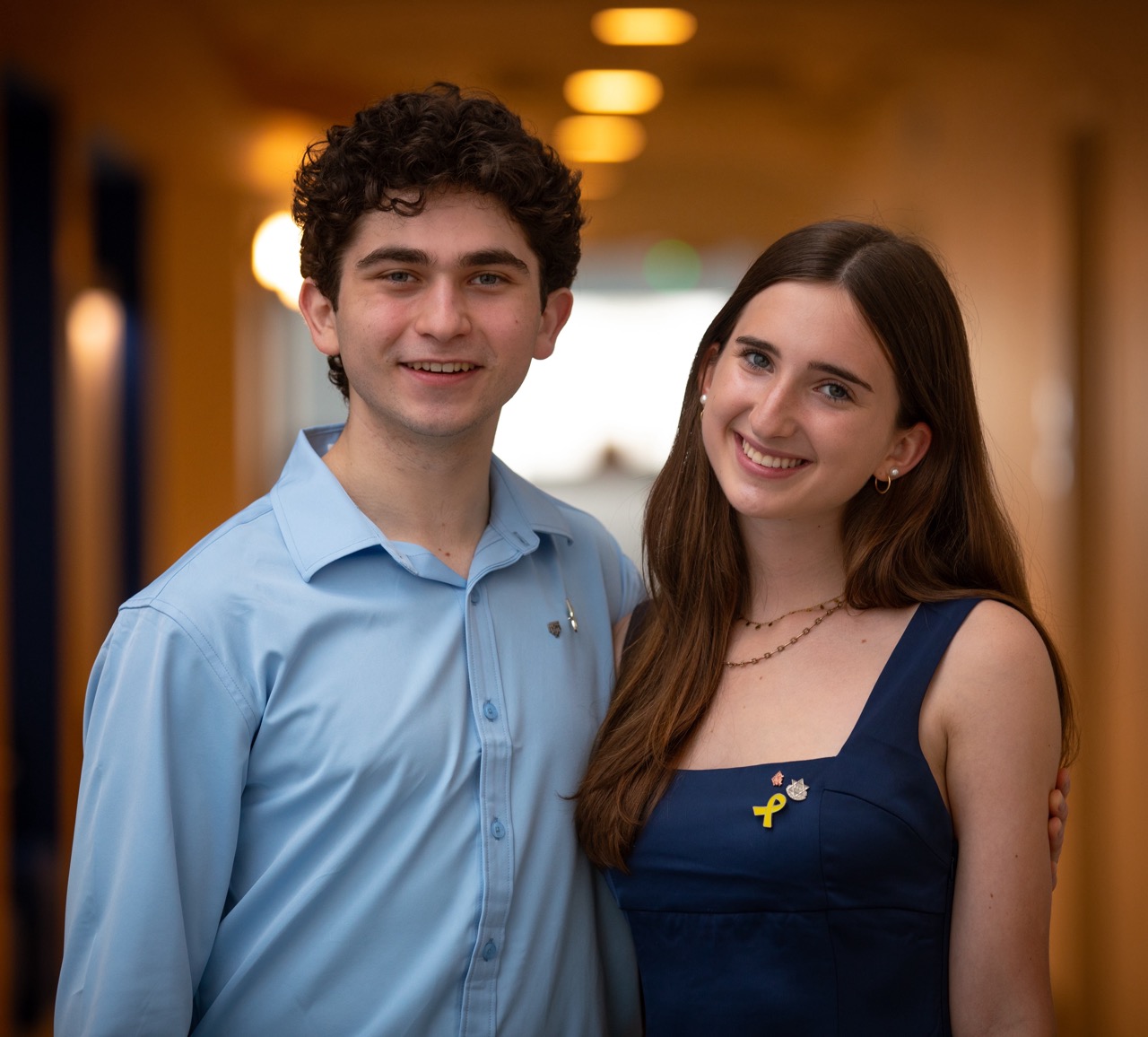
Becca Firestone is a BBG from Vancouver Region and loves to sing and perform.
All views expressed on content written for The Shofar represent the opinions and thoughts of the individual authors. The author biography represents the author at the time in which they were in BBYO.